
Water Damage: The Insurance Industry's Kryptonite
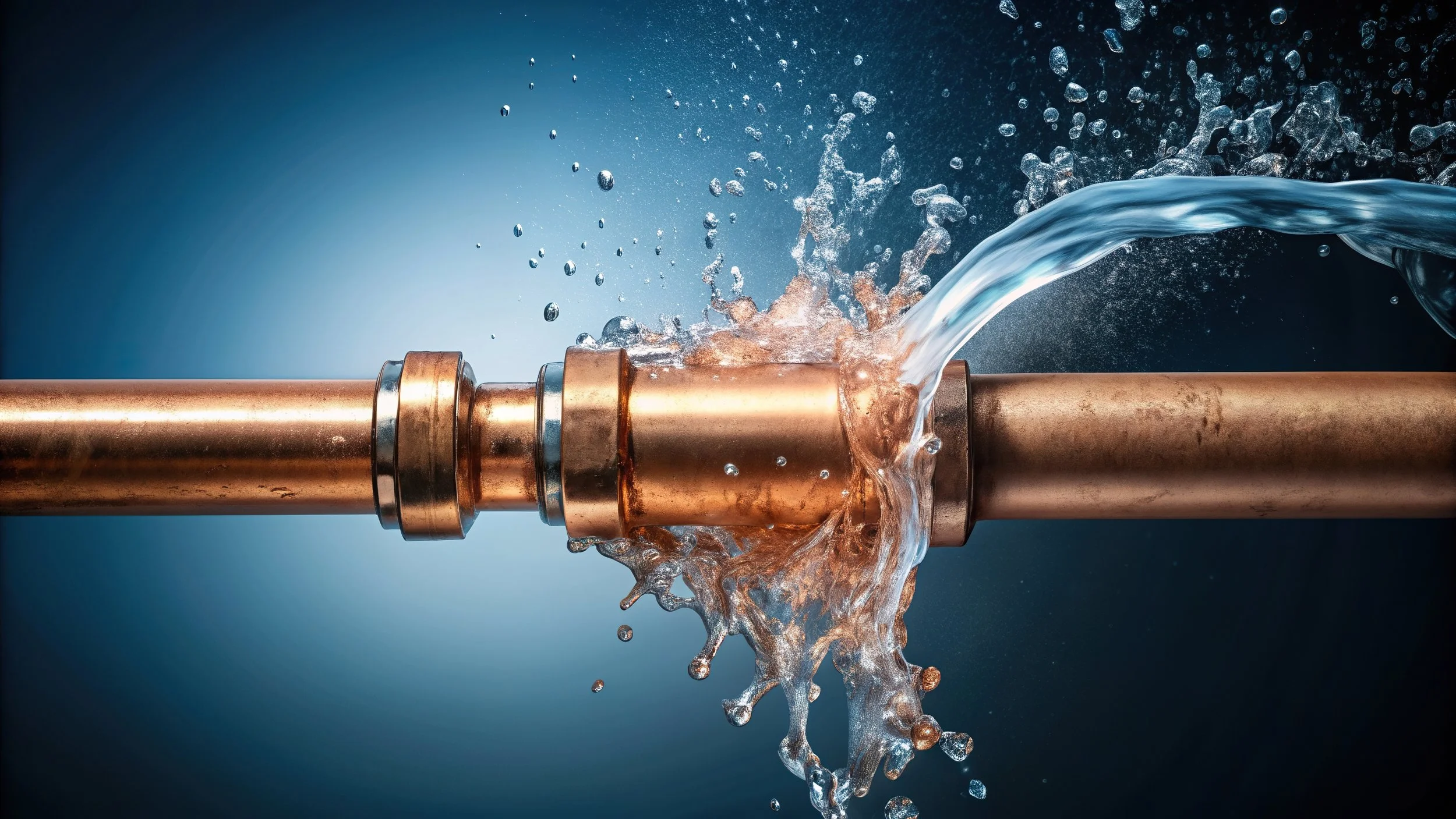
What kryptonite is to Superman, water damage is to insurance companies. It's their greatest weakness, their most expensive nightmare, and the reason your policy premiums include hefty provisions for plumbing disasters. Understanding why insurers dread water claims can motivate you to take the protective measures that save both your home and your coverage.
Why Insurance Companies Fear Water
Water damage claims are the bane of the insurance industry for several compelling reasons. First, they're devastatingly expensive. A single burst pipe can cause tens of thousands of dollars in damage within hours, destroying flooring, walls, furniture, electronics, and personal belongings. Unlike a quick kitchen fire that might be contained to one area, water travels—seeping through floors, running down walls, and finding every crack and crevice.
Second, water damage compounds over time. What starts as a leak can lead to mold growth within 24-48 hours, turning a plumbing issue into a health hazard that requires specialized remediation. The longer water sits, the more destruction it causes, and mold claims can easily double or triple the initial damage costs.
Third, water claims are common. While house fires are relatively rare, plumbing failures happen constantly. Frozen pipes, aging water heaters, washing machine hoses, and deteriorating supply lines create a steady stream of claims that dwarf most other loss categories. Insurance companies price their policies expecting water damage, but the frequency and severity often exceed projections.
Finally, water damage can make homes uninhabitable, requiring insurers to cover additional living expenses while repairs are completed. This means paying for hotels, meals, and temporary housing on top of the repair costs—expenses that can stretch for weeks or months.
Protecting Your Home (and Your Insurance)
Given the insurance industry's vulnerability to water claims, it's no surprise that many companies are getting stricter about coverage. Some now require proof of regular plumbing maintenance, install water leak detection systems as a condition of coverage, or exclude certain types of water damage entirely. Taking preventive action protects both your home and your insurability.
Winter Protection: Frozen pipes are among the most common—and most preventable—water damage causes. Insulate exposed pipes in unheated areas like basements, attics, and crawl spaces using foam pipe sleeves. During cold snaps, let faucets drip slightly to keep water moving, and maintain your home temperature at 55°F minimum, even when you're away. Disconnect and drain outdoor hoses, and shut off interior valves supplying outdoor faucets. These simple steps can prevent thousands in damage.
Know Your Shut-Off Valves: In a plumbing emergency, every second counts. Locate your main water shut-off valve now, before you need it. Make sure everyone in your household knows where it is and how to operate it. If a pipe bursts, shutting off the water immediately can be the difference between minor damage and a catastrophic claim.
Replace Aging Components: Water heaters typically last 8-12 years, washing machine hoses should be replaced every five years, and supply lines under sinks can deteriorate over time. Don't wait for failure—replace these components proactively. It's far cheaper than the alternative.
Install Leak Detection: Modern technology offers affordable leak detection systems that can alert you to water problems via smartphone, even when you're away. Some systems can automatically shut off your water supply when a leak is detected. Many insurance companies offer premium discounts for installing these devices because they dramatically reduce claim severity.
Regular Inspections: Have a plumber inspect your system every few years, particularly if your home is more than 20 years old. They can identify vulnerable areas, recommend upgrades, and catch small problems before they become insurance claims.
The Bottom Line
Insurance companies price water damage into their policies, but repeated claims can lead to non-renewal, premium increases, or difficulty finding coverage altogether. Some insurers now ask detailed questions about your plumbing system's age and condition before offering coverage. By treating your plumbing with the respect it deserves—as one of your home's most critical systems—you protect your property, avoid the hassle of major repairs, and keep yourself in your insurer's good graces. Prevention is always cheaper than restoration, and when it comes to water damage, an ounce of prevention truly is worth thousands of pounds of cure.